Polynucleotides vs Tear Trough Filler Under Eyes: The Real Comparison
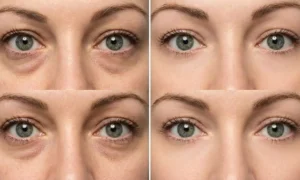
Polynucleotides and tear trough filler are both injectable treatments for the under-eye area, but they work differently, suit different concerns, and carry different risk profiles. Most patients are recommended one or the other at consultation without fully understanding why.
This guide explains the real difference between the two, who each one suits, and why polynucleotides are increasingly the first recommendation for most under-eye concerns. For the full guide to how polynucleotides work and what to expect, visit our polynucleotide treatment guide.
Written by Panita Vig, Founder and Editor, The Aesthetic Standard.
Medically reviewed by Dr Preema Vig, GMC-registered physician, BCAM Full Member, 17 years experience. View GMC registration | View BCAM profile.
Published on 1st October 2026
Last updated: 6 October 2026
In This Guide
Key Takeaways
Polynucleotides vs Tear Trough Filler: At a Glance
Scroll →
| Factor | Polynucleotides | Tear Trough Filler |
|---|---|---|
| How it works | Triggers the skin to produce its own collagen and elastin | Adds hyaluronic acid gel volume directly into the hollow beneath the eye |
| Best for | Thin skin, dark circles from skin thinness, crepey texture, fine lines, dehydration | Structural hollowing, deep shadow from volume loss |
| Results visible | 3 to 6 weeks | Same day |
| Results duration | 6 to 9 months | 9 to 18 months |
| Sessions needed | 2 to 4 sessions, 2 to 4 weeks apart | Usually 1 session |
| Reversible? | No, dissolves naturally over time | Yes, dissolved with an enzyme called hyaluronidase |
| Risk profile | Lower risk in thin under-eye skin | Higher technical complexity; risk of visible bluish discolouration; vascular risk |
| Suitable for poor skin quality? | Yes, specifically suited | No, poor skin quality is a contraindication |
| UK cost per session | £200 to £500 | £350 to £1,000 |
| Can be combined? | Yes, usually polynucleotides first | Yes, after polynucleotides improve skin quality |
What Is the Core Difference Between Polynucleotides and Tear Trough Filler?
The simplest way to understand the difference is this: polynucleotides fix the skin. Tear trough filler fills a gap.
Polynucleotides are purified DNA fragments, typically derived from salmon or trout. You may have heard them called salmon sperm injections. When injected into the skin beneath the eye, they trigger the skin cells responsible for making collagen and elastin to become more active. Over several weeks, the skin becomes thicker, firmer, more hydrated and more resilient. Dark circles or fine lines improve because the quality of the skin itself has improved. No volume is added.
Tear trough filler is hyaluronic acid gel, a substance the body produces naturally and that is found in many skincare products. When injected into the groove beneath the eye (called the tear trough), it physically fills the space, lifting the skin and reducing the shadow. Results are visible the same day because the gel is sitting there creating volume. The skin quality has not changed at all.
This is the most important distinction. A patient whose dark circles are caused by thin, see-through skin that lets blood vessels show through will not see meaningful improvement from filler. Their skin is the problem, not the lack of volume. A patient whose dark circles are caused by a hollow groove beneath the eye may not see meaningful improvement from polynucleotides alone. Their structure is the issue, not the skin quality. Getting this right at consultation is the difference between a good result and money spent on the wrong treatment.
A 2022 randomised, double-blind, split-face trial published in the Journal of Dermatological Treatment compared polynucleotide injections directly to non-crosslinked hyaluronic acid filler in the area around the eye across 27 subjects. The polynucleotide group showed higher improvement rates in skin elasticity, hydration, roughness and pore volume. Both were found to be effective and safe for rejuvenating the skin around the eye.
What Does the Under-Eye Area Actually Look Like, and Why Does It Matter?
The skin beneath the eye is around 0.5mm thick. The skin on the rest of the face is typically 2mm thick. This makes the under-eye area the most delicate skin on the face by a significant margin.
Under this thin skin sits a network of small blood vessels, very little fat for cushioning, and almost no oil glands. This is why the under-eye area:
- Shows dark circles when blood vessels are visible through thin skin
- Shows hollowing when the small fat pockets beneath the eye reduce with age
- Develops fine lines and crepey texture earlier than the rest of the face
- Responds differently to injectables than thicker facial skin
- Requires significantly more technical skill to treat safely
Any treatment in this area carries more risk than the same treatment elsewhere on the face. This is true of both polynucleotides and tear trough filler. But the risk profiles are not equal.
What Are the Risks of Tear Trough Filler Under the Eyes?
Tear trough filler is effective for the right patient, but the risk profile in this area is meaningfully higher than for filler placed elsewhere on the face. Patients considering tear trough filler should understand these risks before proceeding.
Visible bluish discolouration (the Tyndall effect). This happens when filler is placed too close to the surface of the skin. Because the skin here is so thin, gel placed too superficially becomes visible as a bluish or grey tint beneath the skin. It is one of the most frequently reported complications specific to tear trough filler and can persist until the filler is dissolved. A 2024 study published on PMC specifically noted that conventional fillers in the area around the eye carry higher risks of swelling, irregularities and this type of discolouration compared to polynucleotides.
Persistent swelling. Hyaluronic acid attracts water. In the thin, fluid-prone tissue beneath the eye, this can lead to persistent puffiness that makes the under-eye area look worse rather than better. This risk is higher in patients who are prone to fluid retention or have excess skin in the area.
Blood vessel risk. The under-eye area has a high density of small blood vessels (it is highly vascular, meaning there are lots of blood vessels close to the surface). Accidental injection into or near a vessel carries risks including bruising, skin damage and in very rare cases more serious complications. Precise knowledge of the anatomy here is essential.
Migration. Filler can move from the original placement site over time. In thin-skinned areas like the under-eye, migration can create lumps, asymmetry or visible irregularities beneath the skin.
Poor skin quality is a contraindication. Patients with excess skin, poor skin quality, visible eye bags caused by fat pushing forward, and fluid retention around the eye are all poor candidates for tear trough filler. This matters because many patients presenting with dark circles have exactly these features.
None of this means tear trough filler is the wrong choice. It means the right patient must be selected, and the practitioner must be highly experienced specifically in this area.
What Are the Risks of Polynucleotides Under the Eyes?
Polynucleotides carry a lower risk profile in the under-eye area than tear trough filler. The main reasons are that no volume is being added, which removes the risks of visible discolouration and swelling from volume, and the product is highly compatible with human tissue. A 2024 review published in the International Journal of Molecular Sciences confirmed polynucleotides have a high compatibility with the body and a favourable safety profile, making them specifically suited to delicate areas like the skin around the eye.
The main risks specific to this area are:
- Temporary swelling and redness at injection sites, typically resolving within 24 to 48 hours
- Bruising, which is more common beneath the eye than elsewhere and resolves within 5 to 7 days
- Temporary puffiness as the product draws moisture to the tissue, which is a normal response and settles
- Allergic reaction in patients with fish or seafood sensitivity. This is an absolute contraindication and must be screened for before treatment
- Fluid pooling in the cheek area below the under-eye (called malar oedema), which can occur with any injectable treatment in this area and typically resolves without intervention
Fish or seafood allergy, pregnancy, breastfeeding and active autoimmune conditions are all contraindications for polynucleotide treatment.
What Causes Dark Circles? This Decides Which Treatment Is Right
Dark circles look the same from the outside but have very different causes beneath the surface. The cause determines the right treatment. Treating the wrong cause means no result regardless of which treatment is used.
Scroll →
| Cause of Dark Circles | What It Looks Like | Best Treatment |
|---|---|---|
| Thin skin showing blood vessels beneath | Bluish or purplish tint, worse when tired | Polynucleotides (thicken the skin over time) |
| Structural hollowing (tear trough) | Deep shadow, groove visible, worse in daylight | Tear trough filler (restore volume) |
| Pigmentation (too much colour in the skin) | Brown or grey discolouration, fairly uniform in colour | Polynucleotides (reduce pigment activity in the skin) |
| Fat pushing forward (eye bags) | Puffiness above the hollow, shadow below | Surgical assessment required |
| Lifestyle (dehydration, poor sleep) | Variable, worse with tiredness and alcohol | Lifestyle change first; polynucleotides can support |
| Genetics | Deep pigmentation, present since young | Partial improvement possible; manage expectations |
A 2026 real-world clinical study on polynucleotides for pigmentation around the eye, published in Clinical, Cosmetic and Investigational Dermatology, confirmed that polynucleotides can reduce the amount of pigment (melanin, which gives skin its colour) the skin produces. This directly addresses dark circles caused by too much pigmentation in the skin. For dark circles caused by structural hollowing, this mechanism has no effect, and filler remains the more targeted option.
The most important thing a good practitioner does at consultation is identify which of these causes applies to you before recommending any treatment. Use our questions to ask at your polynucleotide consultation to make sure you are asking the right things before committing to either treatment.
Who Is a Good Candidate for Polynucleotides Under the Eyes?
Polynucleotides suit patients whose primary under-eye concern is skin quality rather than structure. Good candidates include:
- Patients with thin, crepey or papery skin texture beneath the eyes
- Patients with dark circles caused by the skin being so thin that blood vessels show through
- Patients with dark circles caused by too much pigment in the skin
- Patients with fine lines beneath the eyes and in the crow’s feet area
- Patients with dehydrated under-eye skin that looks dull regardless of sleep
- Patients who have been told they are not suitable for tear trough filler due to poor skin quality
- Patients who want to improve their skin quality before considering tear trough filler
- Patients with mild puffiness related to poor skin tone rather than fat pushing forward
Patients who are not suitable for polynucleotides include those with fish or seafood allergies, those who are pregnant or breastfeeding, those with active autoimmune conditions, vegans (most products are fish-derived), and those whose primary concern is significant structural volume loss rather than skin quality.
For a full breakdown of what results look like, visit our polynucleotides before and after guide.
Who Is a Good Candidate for Tear Trough Filler?
Tear trough filler suits a narrower group of patients than many assume. Good candidates are:
- Patients with good skin quality who have a specific, defined hollow along the bony ridge beneath the eye
- Patients whose dark circles are caused primarily by structural volume loss creating a shadow
- Patients without excess skin, fluid retention or fat pushing forward in the under-eye area
- Patients who want immediate, visible correction and understand the maintenance requirement
- Patients who are comfortable with the risks involved and the possibility of needing the filler dissolved
Poor candidates for tear trough filler include patients with excess skin beneath the eye, patients prone to fluid retention or puffiness, patients with poor skin quality in the area, patients with visible fat pushing forward or eye bags, and patients with dark circles caused by pigmentation rather than structural loss. For these patients, polynucleotides are typically recommended first.
How Do Results Compare? Timeline and What to Expect
Scroll →
| Timeframe | Polynucleotides | Tear Trough Filler |
|---|---|---|
| Day of treatment | Mild swelling, small bumps at injection sites | Visible improvement same day; swelling also present |
| 24 to 48 hours | Swelling resolves, skin appears normal | Swelling settling; bruising may be present |
| 2 weeks | Skin feels more hydrated; subtle early improvement | Final result visible once swelling resolves |
| 3 to 6 weeks | Visible improvement in skin texture and dark circles | Result stable |
| 2 to 3 months | Peak results. Skin quality significantly improved | Result stable, may begin to soften |
| 6 months | Results maintained with maintenance session | Filler result easing; top-up may be needed |
| 9 to 18 months | Course complete | Filler typically needs repeating |
The biggest practical difference is speed. Tear trough filler produces visible results the same day. Polynucleotides take 3 to 6 weeks for the first visible change and 2 to 3 months to reach peak results. Patients wanting a result before a specific event are better served by tear trough filler, provided they are suitable candidates. Patients investing in long-term skin improvement are better served by polynucleotides.
To see what real patient results look like across a course of treatment, visit our polynucleotides before and after guide.
Can Polynucleotides and Tear Trough Filler Be Used Together?
Yes, and many experienced practitioners recommend both for patients who have skin quality concerns alongside structural hollowing. The approach matters though.
Polynucleotides are typically used first. A course of polynucleotides improves the skin quality, making the tissue thicker and more resilient. This serves two purposes: it directly improves the skin-quality concerns that filler cannot address, and it makes the patient a better candidate for tear trough filler if hollowing remains after the polynucleotide course. Thicker, better-quality skin reduces the risk of visible discolouration and migration when filler is later added.
Experienced practitioners find that completing a polynucleotide course first can make a meaningful difference for patients who may not have been strong filler candidates initially, improving both the result and the safety of any subsequent filler treatment.
The two treatments are not typically given at the same session. They are planned in a sequence. This should be discussed at your consultation with a practitioner who treats the under-eye area regularly. Use our questions to ask at your polynucleotide consultation to prepare before you go.
For the full guide to polynucleotide under-eye treatment including what to expect week by week and which products are used, visit our polynucleotides under eyes guide.
How Do Costs Compare?
Scroll →
| Factor | Polynucleotides | Tear Trough Filler |
|---|---|---|
| Cost per session (UK) | £200 to £500 | £350 to £1,000 |
| Sessions for initial course | 2 to 4 sessions | Usually 1 session |
| Total initial course cost | £600 to £1,500 | £350 to £1,000 |
| Maintenance | Every 6 months | Every 9 to 18 months |
| London pricing | Higher end of range | Higher end of range |
Polynucleotides cost more across the initial course because multiple sessions are needed. Tear trough filler is a higher cost per session but usually requires just one. Over two to three years the total spend is often comparable. The more important question is which treatment suits the concern, not which is cheaper per visit.
Why Polynucleotides Are Often Recommended First for Most Under-Eye Concerns
Most patients presenting with under-eye concerns have some combination of thin skin, poor texture, pigmentation and dehydration. These are all skin quality issues. Tear trough filler does not address skin quality at all.
Additionally, the under-eye area carries the highest risk for filler complications of almost any area on the face, precisely because the skin is so thin. Poor skin quality increases that risk further. Polynucleotides improve the skin first, reduce risk, and in many cases resolve enough of the concern that filler is not needed at all.
This does not mean filler is the wrong choice. For patients with clear structural hollowing and good skin quality, filler remains the more targeted and immediate solution. The two treatments are not competing with each other. They treat different things. The right one depends entirely on what is causing the concern in your specific anatomy.
For everything about how polynucleotides work, what they treat and what results look like, visit our full polynucleotide treatment guide and polynucleotides under eyes guide.
How The Aesthetic Standard Selects Polynucleotide Clinics
Every polynucleotide clinic listed on The Aesthetic Standard is manually reviewed before being included. We check:
Statutory medical registration: General Medical Council (GMC) for doctors, General Dental Council (GDC) for dentists, Nursing and Midwifery Council (NMC) for nurses. For non-medically registered practitioners: Ofqual-regulated Level 4 qualification in Laser and IPL at minimum and a named medical oversight arrangement. Professional body membership: British College of Aesthetic Medicine (BCAM) or British Association of Medical Aesthetic Nurses (BAMAN). Care Quality Commission (CQC) registration where held. Local authority licensing where required. Voluntary accreditation with Save Face or the Joint Council for Cosmetic Practitioners (JCCP). Professional indemnity insurance specifically covering polynucleotide treatment. Independent patient feedback across Trustpilot and Google. Where possible we speak directly with patients who have undergone treatment at the clinic.
A listing on The Aesthetic Standard is not a guarantee of outcome. It is confirmation that the clinic has met our verification criteria and that the practitioner holds the appropriate credentials to perform this treatment safely. Read our full verification criteria before choosing a clinic.
Find Verified Polynucleotide Clinics
Each city page covers local pricing, verified practitioners and how we select clinics in that area:
Polynucleotide clinics in London
Polynucleotide clinics in Manchester
Polynucleotide clinics in Birmingham
For everything about how polynucleotides work, what results look like and how to choose a clinic, visit our polynucleotide treatment guide, polynucleotides under eyes guide and polynucleotides before and after guide. Browse our full clinic directory to find verified practitioners across London, Manchester and Birmingham.
The Aesthetic Standard. Clinics You Can Trust.
Polynucleotides vs Tear Trough Filler: Frequently Asked Questions
Are polynucleotides better than tear trough filler for under eyes?
It depends entirely on the cause of your concern. For skin quality issues including thin skin, dark circles from poor tissue quality, crepey texture and dehydration, polynucleotides are often the better first treatment. For structural hollowing and volume loss causing a shadow beneath the eye, tear trough filler is more targeted. Many patients benefit from both in a planned sequence, with polynucleotides used first to improve skin quality. A consultation with an experienced practitioner is needed to determine which applies to your specific anatomy. Read our polynucleotides under eyes guide for the full picture before your consultation.
Can polynucleotides replace tear trough filler?
For some patients, yes. Patients whose dark circles or under-eye concerns are driven by skin quality rather than structural hollowing often find polynucleotides address their concerns without needing filler at all. For patients with genuine structural volume loss, polynucleotides alone will not replace the volume. In these cases both treatments may be recommended in a planned sequence.
Is tear trough filler safe?
Tear trough filler is safe when performed by an experienced practitioner on the right patient. The under-eye area is technically demanding due to the thinness of the skin, the number of blood vessels close to the surface, and the risk of complications including visible bluish discolouration, persistent swelling and migration of the product. Patient selection matters significantly. Poor skin quality, fluid retention and excess skin are contraindications. Choosing a practitioner with specific tear trough experience, not just general filler experience, is essential.
How do I know if I need polynucleotides or filler?
The starting point is identifying the cause of your concern. If your dark circles look bluish or purplish, are worse when you are tired, and the skin beneath your eye looks thin and papery, polynucleotides are likely the more appropriate starting point. If your dark circles look like a shadow caused by a hollow groove, are worse in daylight and from certain angles, and your skin quality is good, tear trough filler may be more appropriate. A consultation with a practitioner experienced in both treatments is the only reliable way to confirm this for your specific anatomy. Our questions to ask at your polynucleotide consultation will help you prepare.
Do polynucleotides work for dark circles?
Yes, for dark circles caused by skin thinness, poor tissue quality and too much pigment in the skin. Polynucleotides trigger the skin to produce more collagen and elastin, thickening it so underlying blood vessels are less visible. They also reduce the amount of pigment the skin produces, which addresses pigmentation-related dark circles. They are less effective for dark circles caused by structural hollowing, which requires tear trough filler to restore volume.
What is the Tyndall effect and why does it matter for filler?
The Tyndall effect is a bluish or grey discolouration visible through the skin when filler is placed too close to the surface of the very thin under-eye skin. It is one of the most commonly reported complications of tear trough filler and can persist until the filler is dissolved with an enzyme called hyaluronidase. It is one of the reasons why practitioner experience specifically in the under-eye area matters more here than for filler placed elsewhere on the face.
Can I have polynucleotides and tear trough filler at the same time?
Not typically. The recommended approach when both treatments are appropriate is to complete a course of polynucleotides first to improve skin quality, then assess whether tear trough filler is still needed and whether the improved skin quality now reduces the risk of filler complications. The two are planned in a sequence rather than administered at the same session.
What does a polynucleotide under-eye result actually look like?
Results build gradually over 2 to 3 months. The skin beneath the eye becomes firmer, less crepey and more hydrated. Dark circles caused by thin skin or pigmentation reduce. Fine lines soften. The overall appearance is more rested rather than obviously treated. To see real patient examples, visit our polynucleotides before and after guide.
Research References
Lee YJ et al. Comparison of the effects of polynucleotide and hyaluronic acid fillers on periocular rejuvenation: a randomized, double-blind, split-face trial. Journal of Dermatological Treatment. 2022;33(1):254-260. View study
Review of polynucleotides in aesthetic medicine. International Journal of Molecular Sciences. 2024;25(15):8224. View study
Prospective observational study of polynucleotide injections for the skin around the eye. 2025. View study
Real-world study of polynucleotides HPT for treating pigmentation around the eye. Clinical, Cosmetic and Investigational Dermatology. 2026. View study