Polynucleotides Under Eyes: Treatment Guide for Dark Circles, Fine Lines and Crepey Skin
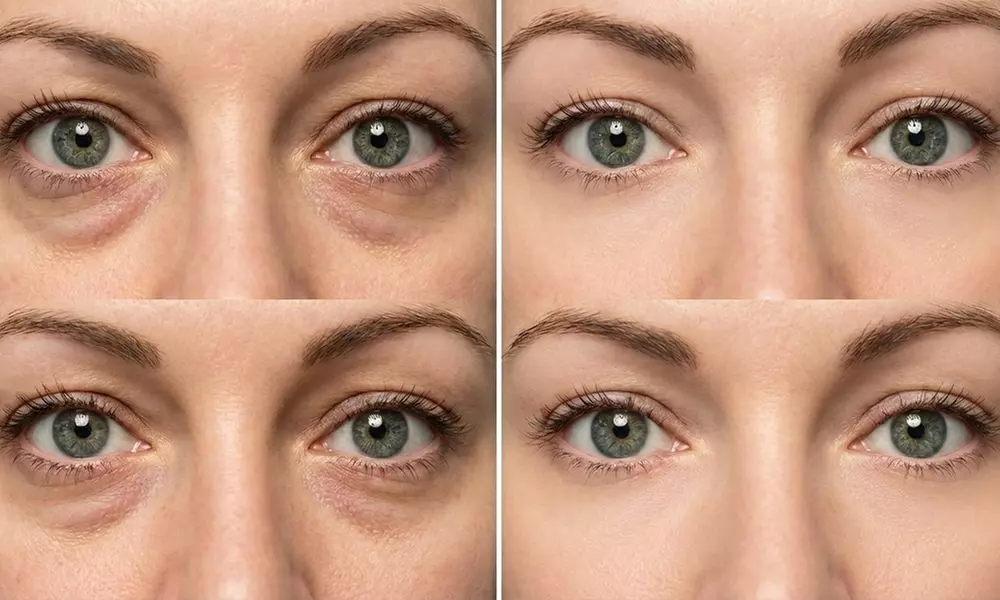
Procedure Length
Downtime
Results Visible
Cost Range
In This Guide
Last updated: 4 October 2026
Key Benefits of Polynucleotide Under-Eye Treatment
Reduced dark circles: Improves skin density and tissue quality to reduce the appearance of dark circles caused by thin, translucent skin around and beneath the eyes. Most effective for pigmentation-related and skin-quality dark circles rather than structural hollowing
Skin tightening: Firms thin, crepey under-eye skin by stimulating fibroblasts to produce new collagen and elastin, creating a more youthful and rested appearance
Improved hydration: Enhances the skin’s capacity to retain moisture, plumping the under-eye area from within without adding volume the way fillers do
Collagen stimulation: Promotes long-term tissue repair by activating the skin’s own regenerative processes rather than simply masking concerns on the surface
Safe for thin skin: Uses purified natural DNA that is highly biocompatible with human tissue and is specifically suited to the delicate area where skin is at its thinnest
Minimal downtime: Fine needle injections with 24 to 48 hours of mild swelling and redness, after which most patients return to normal activities
Polynucleotides Under Eyes: Overview
Polynucleotide under-eye treatment uses purified DNA fragments, sometimes referred to as salmon sperm injections, to stimulate collagen and elastin production in the delicate periorbital skin ( (the skin around and beneath the eyes). Unlike tear trough fillers which add volume, polynucleotides repair skin quality from within, making them particularly effective for dark circles caused by skin thinness and poor tissue quality, fine lines, crepey texture and dehydration around the eyes. Results are gradual, typically visible from 3 to 6 weeks, and last 6 to 9 months. Learn more about and find verified clinics across London, Manchester and Birmingham.
Polynucleotides Under Eyes: Treatment Summary
Treatment type: Regenerative injectable biostimulator for the skin around and beneath the eyes area
Common concerns treated: Dark circles from thin skin, fine lines, crepey under-eye texture, dehydration, mild puffiness
Procedure length: Typically 20 to 30 minutes
Anaesthetic: Topical numbing cream applied 20 to 30 minutes before treatment
Recovery time: Minimal. Mild swelling and redness typically resolve within 24 to 48 hours
Results visible: Initial improvement from 3 to 6 weeks, continuing to develop over 2 to 3 months
Sessions recommended: Typically 2 to 4 sessions spaced 2 to 4 weeks apart, followed by maintenance every 6 months
What Causes Under-Eye Concerns?
The under-eye area contains the thinnest skin on the face, typically around 0.5mm compared to 2mm elsewhere. It has fewer sebaceous glands, less subcutaneous fat and a more delicate vascular network than other facial areas. This combination makes it the first area to show signs of ageing, fatigue and dehydration, and the most challenging area to treat effectively.
The most common concerns patients seek to address with polynucleotide under-eye treatment include:
- Dark circles that appear regardless of how much sleep the patient gets
- Fine lines and crepey texture in the skin directly under and around the eyes
- A generally tired or hollow appearance driven by poor tissue quality rather than volume loss
- Puffiness related to fluid retention and poor skin tone around the orbital area
- Post-inflammatory changes or sun damage affecting skin texture
Which Type of Dark Circles Do Polynucleotides Help?
This is the most important clinical distinction for patients to understand before choosing a treatment. Dark circles have multiple causes and polynucleotide treatment is effective for some but not others.
Good for polynucleotides:
- Dark circles caused by thin, translucent skin through which underlying blood vessels are visible due to poor skin density rather than vessel prominence
- Pigmentation-related dark circles where the skin itself is discoloured
- Dark circles caused by dehydration and poor skin quality that make the under-eye area look dull and shadowed
- Crepey, papery skin texture that creates a shadowed appearance
Less suited to polynucleotides:
- Significant structural hollowing of the tear trough – this requires tear trough filler to restore volume
- Prominent vascular dark circles where blood vessels are clearly visible through very thin skin – these respond better to combination approaches
- Significant under-eye fat pad protrusion or bags caused by herniated orbital fat – this requires surgical assessment
- Severe volume loss in the mid-face causing a shadow effect under the eyes
Polynucleotides also help regulate melanocyte activity, reducing melanin overproduction that contributes to pigmentation-related dark circles, while improving lymphatic circulation to make the thinner skin around the eye thicker and less translucent.
A thorough consultation with an experienced practitioner is essential to identify the cause of your specific dark circles and determine whether polynucleotides, tear trough filler, or a combination approach is most appropriate.
What Can Polynucleotide Eye Treatment Achieve?
Polynucleotide eye treatment can produce meaningful improvements in the quality, texture and appearance of the skin around and beneath the eyes. Results are gradual rather than immediate, driven by the skin’s own biological response to treatment.
What it can achieve:
- Noticeably improved skin texture, less crepey and papery, firmer and more resilient
- Reduction in dark circles caused by skin thinness and poor tissue quality
- Softer fine lines under the eyes and in the crow’s feet area
- A more rested and refreshed appearance without looking obviously treated
- Improved hydration and subtle brightening of the eye area
- Gradual reduction in mild puffiness related to poor skin tone
- Improved skin density over a course of treatments, making the under-eye area less translucent
What it cannot achieve:
- Restoration of significant volume loss. Tear trough filler is the appropriate treatment for this
- Elimination of prominent vascular dark circles. These require different or combination approaches
- Removal of under-eye fat pads or bags caused by herniated orbital fat. Surgical assessment required
- Surgical lifting of excess skin
- Instant results. Improvement builds progressively over 6 to 12 weeks
A thorough consultation will confirm whether polynucleotides, tear trough filler or a combination approach is right for your specific concerns.
Polynucleotides Under Eyes vs Tear Trough Filler
The most common question patients have when considering polynucleotide under-eye treatment is how it compares to tear trough filler. Both are injectable treatments targeting the under-eye area but they work differently and suit different concerns.
| Feature | Polynucleotides | Tear Trough Filler |
|---|---|---|
| How it works | Stimulates fibroblasts to produce collagen and elastin, improving skin quality from within | Adds hyaluronic acid volume directly into the tear trough groove |
| Best for | Thin skin, dark circles from skin thinness, crepey texture, dehydration | Structural hollowing, volume loss, deep shadow from structural deficit |
| Results visible | 3–6 weeks | Immediately |
| Results duration | 6–9 months | 9–18 months |
| Downtime | 24–48 hours | 24–72 hours (higher bruising risk) |
| Risk profile | Lower risk; no volume addition in eye area | Higher technical complexity; vascular risk; Tyndall effect risk |
| Suitable for thin skin | Yes - specifically suited to thinner skin of the eye area | Requires careful assessment; overfilling risk in thin-skinned patients |
| Cost per session | £200–£500 | £350–£1000 |
| Can be combined | Yes, frequently used alongside tear trough filler | Yes, polynucleotides improve skin quality alongside filler volume |
The Tyndall effect refers to a bluish or grey discolouration that can occur when tear trough filler is placed too superficially under the thin skin of the eye area. It is one of the most common complications specific to this treatment and one reason why practitioner experience is particularly important for tear trough filler.
Many experienced practitioners use polynucleotides and tear trough filler together for patients who have both skin quality concerns and structural hollowing. Polynucleotides improve the skin quality, making the tissue more receptive to filler and reducing the risk of the Tyndall effect. Filler addresses the structural volume deficit that polynucleotides cannot resolve. A consultation with an experienced practitioner will clarify which approach suits your specific concerns, or whether a combination of both is the most effective option for you.
Products Used for Under-Eye Polynucleotide Treatment
Not all polynucleotide products are formulated for the under-eye area. The delicate skin under the eye is the thinnest on the face and requires products with specific viscosity and concentration profiles. Products commonly used by UK practitioners for under-eye treatment include:
- Nucleofill Soft Plus (Promoitalia): specifically formulated for the under-eye area with a softer consistency suited to thin skin
- Vitaran Eyes (various): eye-specific formulation designed for the delicate under-eye zone
- PolyPhil (Pharma Research): used by practitioners experienced in under-eyes polynucleotide treatment
- Ameela (Sinclair Pharma): PDRN-based product used across face and under-eye area
- Lumi Eyes (various): PDRN-based product specifically formulated for the under-eye area use; widely used for under-eye treatment in UK clinics
Ask your practitioner which product they use for under-eye treatment and why they have chosen it. Confirm it holds CE marking or equivalent UK regulatory approval and that your practitioner has specific experience using it in the under-eye area.
What to Expect During Polynucleotide Under-Eye Treatment
Before the procedure: A topical numbing cream is applied to the under-eye area and left for 20 to 30 minutes. The skin is cleansed and the practitioner photographs the treatment area before proceeding. Your medical history and allergy history must be reviewed and fish allergy is an absolute contraindication.
During the procedure: The polynucleotide solution is injected using either fine needles (typically 30 gauge) or a blunt-tipped micro-cannula for the under-eye area. Multiple small injection points are placed across the treatment zone. The under-eye area is more sensitive than other facial areas and mild discomfort is normal despite numbing cream. Treatment takes 20 to 30 minutes.
Immediately after treatment: Small raised bumps or wheals at injection sites are normal and expected. The under-eye area may appear slightly swollen or red. Some patients experience temporary mild puffiness specifically in the under-eye area for 24 to 48 hours as the product attracts moisture to the tissue which is a normal response, not a complication. Most patients can return to normal activities the following day.
For a full guide to polynucleotide treatment including how it works, costs and product comparison, read our polynucleotide treatment guide.
Polynucleotide Under-Eye Results: What to Expect Week by Week
Understanding the timeline of polynucleotide under-eye results helps patients manage expectations and recognise that the final outcome takes several weeks to fully develop. The under-eye area responds slightly differently to the face with initial puffiness in the first day or two is normal and expected, and the gradual improvement in skin quality, dark circles and fine lines builds progressively over the following weeks.
Typical Under Eye Recovery Timeline
For a full breakdown of what results look like across all treatment areas, read our polynucleotides before and after guide.
How Long Do Polynucleotide Under-Eye Results Last?
Results from polynucleotide under-eye treatment typically last 6 to 9 months. This is slightly shorter than results on the face because the skin under the eye is thinner and the area is subject to more movement. Most practitioners recommend maintenance every 6 months for the under-eye area specifically to sustain improvement.
Patients who complete a full course of 3 to 4 sessions consistently report better outcomes than those who stop after one or two treatments. Each session builds on the improvement from the last.
Aftercare for Under-Eye Polynucleotide Treatment
The under-eye area requires specific aftercare considerations:
- Do not touch, rub or press the treated area for at least 24 hours
- Avoid eye makeup, eye cream and contact lenses for 24 hours after treatment
- Sleep on your back if possible for the first night to reduce pressure on the treated area
- Do not wear sunglasses that press on the under-eye area for 24 hours
- Apply a high-SPF sunscreen around the eye area once healed and maintain consistent sun protection throughout the course – UV exposure directly undermines collagen production
- Avoid intense exercise, saunas and excessive heat for 48 hours
- Follow any specific aftercare instructions from your practitioner
Polynucleotide Under-Eye Risks and Side Effects
Polynucleotide under-eye treatment carries a generally lower risk profile than tear trough filler because it does not add volume. However the under-eye area is particularly sensitive and some risks are specific to this location.
Common, expected side effects:
- Mild swelling and redness at injection sites (resolves within 24 to 48 hours)
- Temporary puffiness under the eyes as the product attracts moisture (24 to 48 hours)
- Bruising at injection sites (more common in the area under the eyes than elsewhere; resolves within 5 to 7 days)
- Small raised bumps at injection sites (flatten within hours)
Less common risks:
- Infection at injection sites (rare with proper aftercare and clinical conditions)
- Allergic reaction, particularly in patients with fish or seafood sensitivity. Always disclose allergies before treatment
- Malar oedema (fluid pooling in the cheek area below the under-eye) can occur with any periorbital (the skin around and beneath the eyes) injectable treatment and typically resolves; more common in patients prone to oedema
Important: The under-eye area is highly vascular and technically demanding. Treatment should only be performed by a practitioner with specific experience and training in periorbital injections. This is not a treatment for generalist practitioners without specific under-eye training.
How to Choose a Polynucleotide Under-Eye Clinic
Under-eye polynucleotide treatment requires a higher level of technical skill than treatment on less delicate areas of the face. Choosing a practitioner with specific periorbital (under-eye injectable) experience is more important here than for almost any other aesthetic injectable treatment.
When choosing a clinic for polynucleotide under-eye treatment:
- Ask specifically about the practitioner’s experience with under-eye polynucleotide treatment – how many treatments do they perform per month in this area
- Confirm they use a product specifically formulated or appropriate for the under-eye area
- Ask to see before and after photos specifically from under-eye treatments, not general face treatments
- Ensure a full consultation is conducted including assessment of dark circle type, skin quality and whether polynucleotides or tear trough filler or a combination is most appropriate
- Check statutory registration: General Medical Council (GMC) for doctor-led clinics, General Dental Council (GDC) for dentist-led clinics, Nursing and Midwifery Council (NMC) for nurse-led clinics
- For non-medically registered practitioners, look for an Ofqual-regulated Level 7 qualification from a JCCP-approved centre and ideally a named medical oversight arrangement for managing any complications
- Look for professional membership of the British College of Aesthetic Medicine (BCAM) for doctor and dentist-led clinics, or the British Association of Medical Aesthetic Nurses (BAMAN) for nurse-led clinics
- Check voluntary Care Quality Commission (CQC) registration, Save Face accreditation or Joint Council for Cosmetic Practitioners (JCCP) membership
- Confirmation that the clinic holds professional indemnity insurance that specifically covers polynucleotide treatment
Every polynucleotide clinic listed on The Aesthetic Standard has been reviewed against these criteria before being listed. We verify practitioner statutory registration for medically-led clinics and BCAM or BAMAN professional membership where held. For non-medically-led clinics we verify Ofqual-regulated Level 7 qualifications from a JCCP-approved centre and JCCP or Save Face accreditation.
For all clinics we confirm professional indemnity insurance covering polynucleotide treatment specifically and voluntary CQC registration where held. We review independent patient feedback across Google and Trustpilot, and speak directly with the lead practitioner at every clinic.
Clinics are led by either statutorily registered medical practitioners or non-medically registered practitioners who meet additional qualification, accreditation and oversight criteria. You can see which applies on each clinic’s profile.
The UK Government is currently developing a licensing scheme for non-surgical cosmetic procedures in England. Under proposals being consulted on, injectable skin booster treatments including polynucleotide injections are expected to fall into the Amber category, which would require non-medically registered practitioners to hold a licence and operate under the oversight of a named regulated healthcare professional. This scheme is not yet law and no start date has been confirmed. The Aesthetic Standard will update its criteria when any new requirements come into force.
Browse our verified listings across London, Manchester and Birmingham.
Before your consultation, read our list of questions to ask at your polynucleotide consultation for guidance on what to ask any aesthetic practitioner about injectable treatments.
Find Polynucleotide Clinics by Location
The Aesthetic Standard has reviewed and verified polynucleotide clinics across major UK cities. Each city guide covers local pricing, how we select clinics in that area and verified practitioners offering polynucleotides::
- Polynucleotide Clinics in London
- Polynucleotide Clinics in Manchester
- Polynucleotide Clinics in Birmingham
For the full polynucleotide treatment guide including how it works, costs and brand comparison, read our polynucleotide treatment guide. Browse our treatments guide or clinic directory to find verified practitioners across the UK.
Polynucleotides Under Eyes FAQs
Is polynucleotide treatment good for under eyes?
Yes, for the right concerns. Polynucleotides are particularly effective for dark circles caused by thin skin and poor tissue quality, fine lines, crepey texture and dehydration around the eyes. They are less effective for structural hollowing which requires tear trough filler, or prominent vascular dark circles which may need a combination approach.
How long do polynucleotides last under the eyes?
Results typically last 6 to 9 months in the under-eye area, slightly shorter than on the face due to the thinner skin and greater movement in this area. Maintenance every 6 months is generally recommended to sustain improvement.
What is salmon sperm eye treatment?
Salmon sperm eye treatment is the popular name for polynucleotide under-eye injections. The DNA fragments used in most polynucleotide products are derived from salmon genetic material. The name refers to the source of the DNA, not the substance itself – the product is a highly purified DNA solution with no cellular material. For a full explanation read our salmon sperm injections guide.
Can anything go wrong with polynucleotides under the eyes?
The most common side effects are temporary swelling, redness and bruising which resolve within days. Serious complications are rare when treatment is performed by an experienced practitioner using appropriate products. Allergic reaction is possible in patients with fish or seafood sensitivity and must be screened for before treatment. Malar oedema can occur and typically resolves without intervention.
Are polynucleotides better than fillers for under eyes?
It depends on the concern. For skin quality issues such as thin skin, dark circles from poor tissue, crepey texture, dehydration – polynucleotides are often more appropriate than filler. For structural hollowing and volume loss, tear trough filler is more appropriate. Many practitioners use both. A consultation is needed to determine the right approach for individual anatomy.
How many sessions of polynucleotides do you need for eyes?
Most practitioners recommend 2 to 4 sessions spaced 2 to 4 weeks apart for the initial course, followed by maintenance every 6 months. The exact number depends on the concerns being treated and the degree of skin quality improvement needed.
What is the downtime for polynucleotide eye treatment?
Most patients experience mild swelling and redness for 24 to 48 hours. Bruising occurs in some patients and typically resolves within 5 to 7 days. Most patients return to normal activities the day after treatment, avoiding eye makeup for the first 24 hours.
Is salmon sperm under eye treatment safe?
Yes, when performed by a trained practitioner using CE-marked products. The purified DNA fragments are highly biocompatible with human tissue. The treatment is contraindicated for patients with fish or seafood allergies, vegetarians and vegans, those who are pregnant or breastfeeding, and those with autoimmune conditions.
How much does polynucleotide under-eye treatment cost?
A single session of polynucleotide under-eye treatment in the UK typically costs between £200 and £500. London clinics are generally at the higher end of this range. Most patients require 2 to 4 sessions, making the total course cost typically between £600 and £1,500.
Can polynucleotides be combined with tear trough filler?
Yes, and many experienced practitioners recommend combining the two for patients with both skin quality concerns and structural hollowing. Polynucleotides improve the skin quality, making the tissue more receptive to filler. The two treatments are typically spaced apart in a planned sequence rather than administered simultaneously.